Work on the farm is now mainly focussed in the vegetable garden. The last of the winter crops are out and the summer ones are nearly all in, with only have a few summer squashes left to transplant. Lettuce, spring onions and herbs are cropping well, we've harvested the first early potatoes from the greenhouse and it won't be long until we can pick our first peas, beetroots, fennel, broad beans and kohlrabis. The end of the hungry gap is nigh.
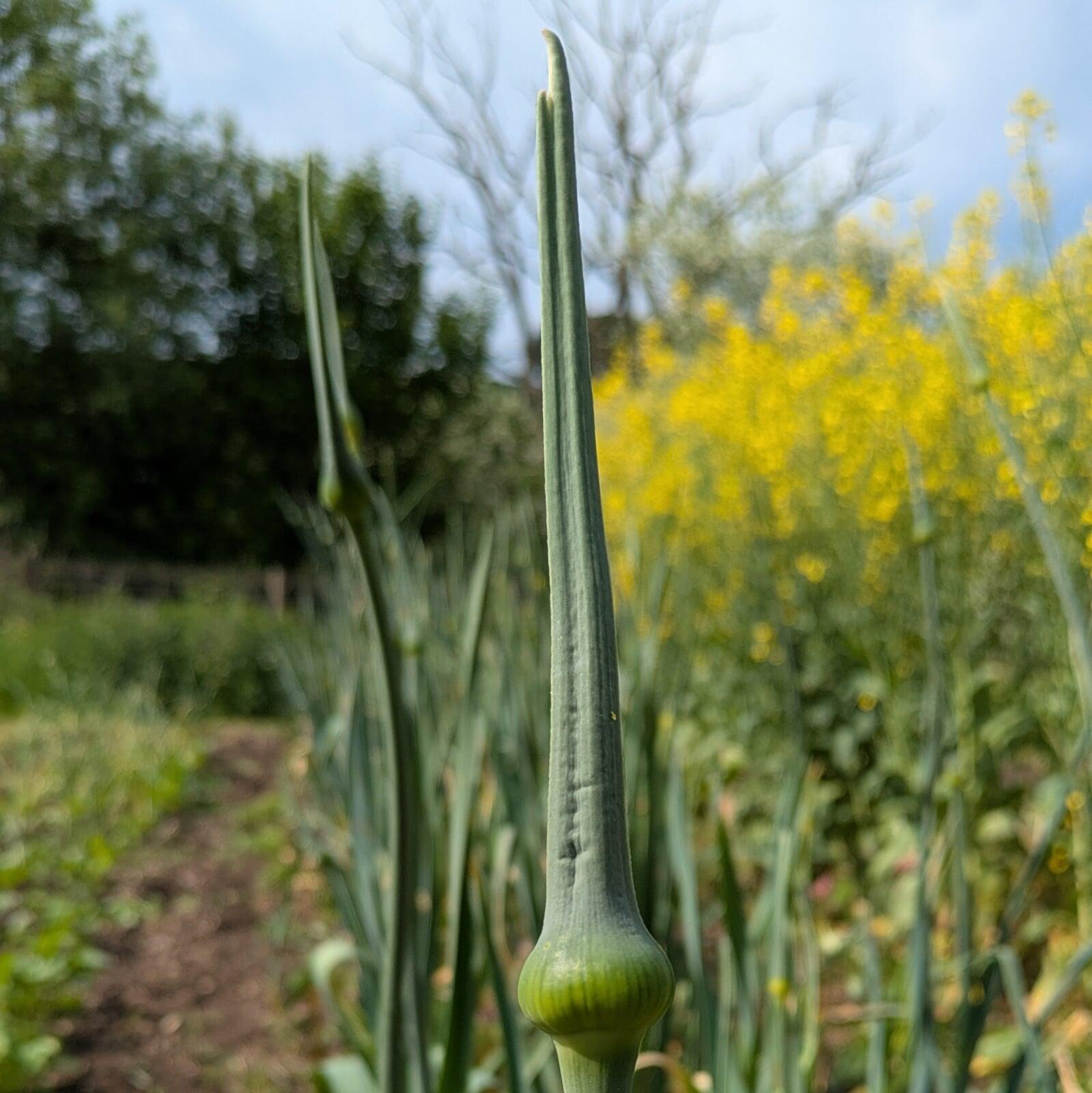
This year I'm doing a seed saving course and as part of that will be growing some peas, tomatoes and onions specifically for seed. It's a new approach to growing for me, quite different to growing for food. But I'm really enjoying the process and am excited that, if done rigorously, we could start selecting varieties and genetics that really suit our soil and climate and can cope better with challenging conditions.
We're also trialing a different grazing system with the sheep where we allow the grass to grow longer and move them more frequently around small paddocks made with electric fences. The idea is that the grass isn't so stressed, can develop deeper roots and then recover more quickly. It also mimics more closely the natural way that herbivores would move through a landscape in large, tight groups, graze intensely and then move on. We're hoping it will also mean the livestock are always eating grass that has far fewer parasites on it, having been stock free for much longer between being grazed. It means a bit more work for us each day, but if it makes the stock and the farm more healthy it should save us work in the long-run.